

A Rich and Multicultural Heritage
The culture of Morocco is the product of thousands of years of exchange. Located where Africa meets the Mediterranean and the Atlantic, the country has been shaped by its indigenous Amazigh (Berber) people, by Arab dynasties and traders, by Muslim and Jewish families who arrived from Andalusia, by Sub-Saharan African communities and, in the 20th century, by French and Spanish influence. Each of these layers is still visible today in the food, music, architecture, crafts and everyday customs you will meet on your trip.
The result is a culture that feels both deeply traditional and open to the world. In a single day you can walk through a medieval medina, share mint tea with a Berber family in the Atlas Mountains and listen to Gnawa musicians in a desert camp. This guide introduces the traditions, arts, music, celebrations and etiquette that will help you get more from every visit. Ready to experience it for yourself? See our private tours in Morocco.
Morocco at a Glance
Capital
Rabat
Main Religion
Islam
Government
Constitutional monarchy
Currency
Moroccan dirham (MAD)
Official Languages
Arabic and Amazigh (Tamazight)
Everyday Languages
Moroccan Arabic (Darija), Amazigh languages and French
The People of Morocco
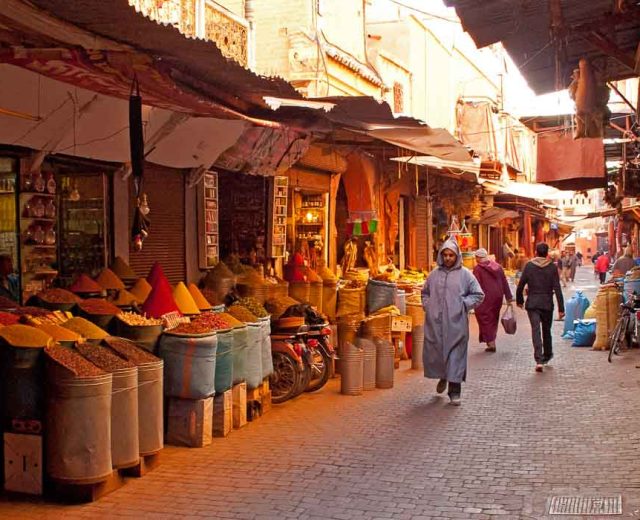
Moroccans are Arab, Amazigh or a blend of both, and the southern provinces are home to Sahrawi communities. The Amazigh (Berber) are the indigenous people of North Africa and live across Morocco, above all in the Atlas Mountains, the Souss valley and the oases of the south. Their languages, weaving traditions and village architecture are a central part of Moroccan identity, and Tamazight became an official language alongside Arabic in the 2011 constitution.
You will meet Amazigh families in the mountain villages and desert settlements on many of our tours, such as our High Atlas trek and Sahara desert tours.
Languages and Useful Phrases
Moroccan Arabic, known as Darija, is the language of daily life, and Amazigh languages are spoken widely in the mountains and the south. French is common in business, education and tourism, and Spanish is understood in the north. A few words in the local language are always appreciated:
- Salam alaykum: peace be upon you (the standard greeting)
- Azul: hello, in Tamazight
- Shukran: thank you
- Afak: please
- La, shukran: no, thank you (useful in the souks)
- Bslama: goodbye
- Inshallah: God willing
Religion and Daily Life
Islam is the main religion of Morocco and shapes the rhythm of everyday life. The call to prayer echoes from minarets five times a day, Friday is the day of the main congregational prayer, and many families share a couscous meal after it. During Ramadan, Muslims fast from dawn to sunset and gather each evening to break the fast, and the holidays of Eid al-Fitr and Eid al-Adha are the most important family celebrations of the year.
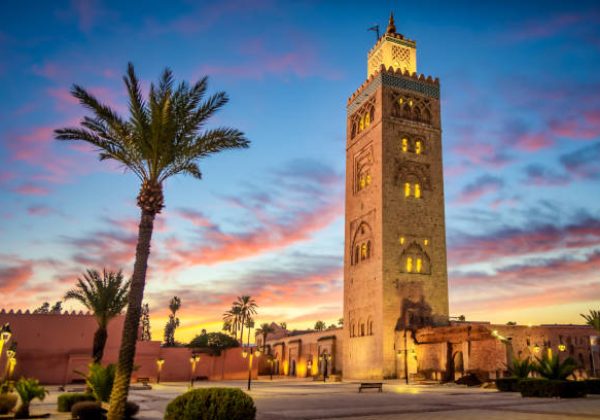
Most mosques in Morocco are not open to non-Muslims, but the Hassan II Mosque in Casablanca offers guided visits, and landmarks such as the Koutoubia in Marrakech can be admired from outside. Morocco also has a long Jewish history, visible in the mellahs (Jewish quarters) of cities such as Fes and Essaouira. Read more on our page about religion in Morocco.
Moroccan Hospitality and Mint Tea
Hospitality is at the heart of Moroccan culture. Guests are welcomed with generosity, and the first sign of that welcome is almost always a glass of mint tea: green tea brewed with fresh mint and sugar, poured from a height into small glasses to create a light foam. Tea is offered in homes, shops, cafes and carpet showrooms alike, and accepting a glass is a simple way to show respect.
Meals are just as social. Food is often served on a large shared dish, bread is used to scoop up sauces, and many families gather for couscous on Fridays. To learn more about the dishes you can try, read our guide to Moroccan cuisine.
Good to Know
- Accept at least one glass of tea when it is offered.
- Eat and pass food with your right hand.
- Remove your shoes when entering a home.
- If you are invited to a home, a small gift such as pastries is welcome.
Arts and Crafts of Morocco
Moroccan artisans are known around the world for the skill and detail of their work, and much of it is still made by hand using methods passed down through generations. The souks of Marrakech and Fes are the best places to see craftsmen at work.
Carpets and Rugs
Woven and knotted by Amazigh weavers in the Atlas and other regions. Patterns and symbols often carry regional or family meaning, so every carpet tells a story.
Zellige and Architecture
Geometric mosaics of hand-cut ceramic tiles, carved plaster and painted cedar wood decorate palaces, madrasas and riads, especially in Fes and Marrakech.
Leather
Fes is famous for its centuries-old tanneries, where hides are dyed by hand in stone vats. In the souks you will find bags, belts and traditional babouche slippers.
Pottery and Ceramics
Painted ceramics from Fes and Safi and the green-glazed pottery of Tamegroute in the Draa Valley show how styles change from region to region.
Woodwork
Carved cedar and thuya wood, especially in Essaouira, where craftsmen make inlaid boxes, furniture and decorative pieces.
Metalwork and Jewellery
Brass and copper lanterns, teapots and trays, and Amazigh silver jewellery that is often set with amber or coral.
Want to see the crafts for yourself? Explore our things to do in Morocco or take the day trip from Marrakech to Essaouira.
Music and Dance in Morocco
Music is everywhere in Morocco, from Jemaa El Fna square in Marrakech, recognised by UNESCO for its living traditions of storytelling and music, to celebrations in mountain villages. Morocco’s musical styles reflect its mix of cultures:
- Andalusian classical music: brought by families from Andalusia and still performed by orchestras in cities such as Fes, Rabat and Tetouan.
- Chaabi: the popular music of towns and weddings, with lively rhythms and everyday lyrics.
- Gnawa: a spiritual music of Sub-Saharan origin played with the guembri, a three-stringed bass lute, and metal castanets. It is on UNESCO’s list of intangible cultural heritage, and Essaouira hosts the Gnaoua World Music Festival each summer.
- Amazigh music and dance: group dances such as Ahidous in the Middle Atlas and Ahwash in the High Atlas and the south, accompanied by drums and poetry at weddings and festivals.
- Guedra: a ritual dance of the Sahrawi people of the Sahara, often performed to welcome and bless guests.
On several of our Sahara tours you can meet the Gnawa community in Merzouga and hear their music. See our Morocco desert tour from Marrakech.
Festivals and Celebrations
Morocco’s calendar is full of religious holidays and cultural festivals. The dates of Islamic holidays follow the lunar calendar and move about ten days earlier each year, so check the current dates before you plan your trip.
Religious and Family Celebrations
- Ramadan: the month of fasting, followed by lively evenings when families break the fast together.
- Eid al-Fitr: the festival that ends Ramadan, celebrated with family visits, new clothes and sweets.
- Eid al-Adha: the feast of sacrifice, marked by family gatherings and shared meals.
- Mawlid: the birthday of the Prophet Muhammad, celebrated with special foods and religious gatherings.
Cultural Festivals
- Roses Festival, Kelaat M’Gouna: usually in spring, celebrating the rose harvest of the Roses Valley.
- Gnaoua World Music Festival, Essaouira: usually in summer, with concerts across the old town.
- Mawazine, Rabat: a large international music festival, usually in late spring or early summer.
- Fes Festival of World Sacred Music: concerts and performances in the historic city of Fes.
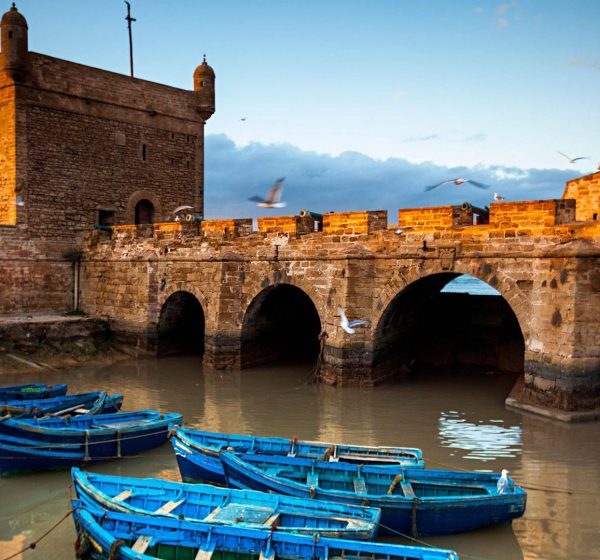
- Asilah Arts Festival: murals and cultural events in the white-walled town of Asilah.
- Amazigh New Year (Yennayer): celebrated in mid-January and now an official public holiday.
Cultural Etiquette for Visitors
Moroccans are friendly and forgiving with visitors, but a little knowledge of local customs makes every encounter smoother.
Dress, Greetings and Photos
- Dress modestly. Cover shoulders and knees, especially in small towns and rural areas. Read our advice on what to wear in Morocco as a female tourist.
- Greet warmly. A handshake and a friendly “salam alaykum” go a long way. Many people place their right hand over the heart afterwards. Wait for a person of the opposite sex to offer their hand first.
- Ask before taking photos. Always ask permission before photographing people, and accept a polite refusal. Some people may ask for a small tip.
- Use your right hand for eating and for giving and receiving things.
Respect, Markets and Homes
- Respect Ramadan. You are not expected to fast, but avoid eating, drinking or smoking in public during the day.
- Bargain with a smile. Haggling is part of shopping in the souks. Keep it friendly, and walk away politely if you cannot agree on a price.
- Keep public affection discreet. Displays of affection in public are not part of the local culture.
- Visiting a home? Take off your shoes, accept the tea you are offered and bring a small gift.
Experience Moroccan Culture on Tour
The best way to understand Morocco is to experience it. These private tours take you into the medinas, mountains and desert where its traditions are still part of everyday life.
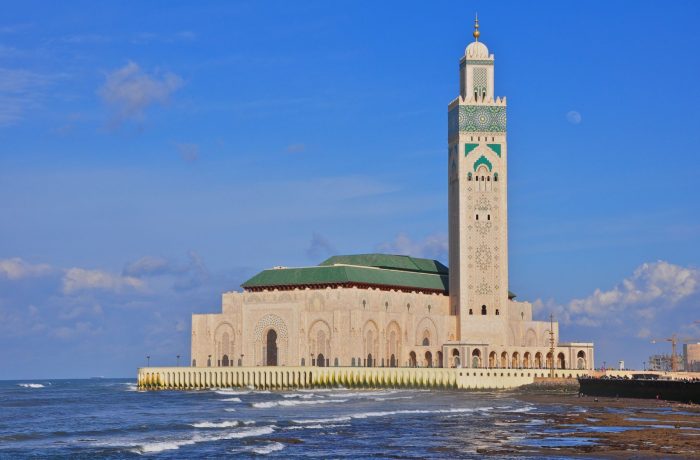
A snapshot of Morocco’s historic cities: Casablanca, Fes, Rabat, Meknes and Marrakech.
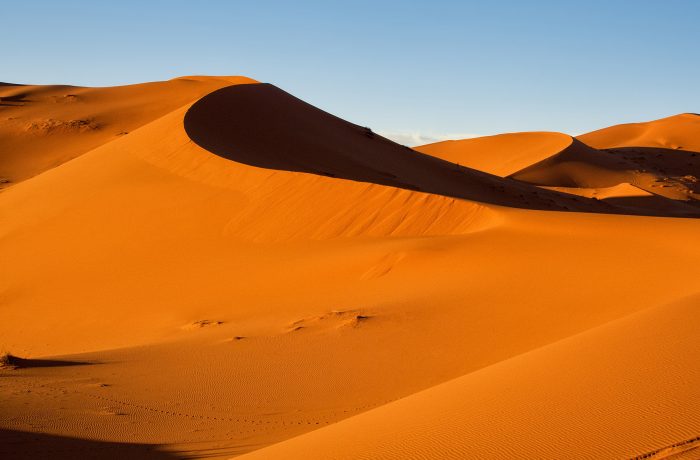
Ifrane, the cedar forest, the Ziz Valley and a camel trek in the Sahara.
Cross the High Atlas, visit Ait Ben Haddou and Ouarzazate, then take a camel ride in the desert.
Frequently Asked Questions
What languages are spoken in Morocco?
Arabic and Amazigh (Tamazight) are the official languages. Moroccan Arabic (Darija) is the language of daily life, and French is widely used in business, education and tourism. Spanish is understood in the north, and English is common in tourist areas.
What religion is practised in Morocco?
Islam is the main religion, and there are small Christian and Jewish communities. See our page on religion in Morocco.
What should I wear in Morocco?
Dress modestly, with shoulders and knees covered, particularly outside the big tourist areas. Light, loose clothing works well in summer, and warm layers are needed in the mountains and the desert in winter. See what to wear in Morocco as a female tourist.
Can non-Muslims visit mosques in Morocco?
Most mosques are closed to non-Muslims. The Hassan II Mosque in Casablanca offers guided visits, and some historic madrasas, such as the Ben Youssef in Marrakech and the Bou Inania in Fes, are open to visitors. Many other mosques can be admired from outside.
Is it okay to take photos of people?
Always ask permission first, especially when photographing women, and accept a polite refusal. Some people may ask for a small tip in return for a photo.
Can I travel to Morocco during Ramadan?
Yes. Ramadan moves about ten days earlier each year. Hotels, tours and attractions continue to operate, though some restaurants close during the day and opening hours can change. The evenings, when families break the fast, are lively. Tell us your dates and we will plan around it.
What is the best way to experience Moroccan culture?
Combine medina visits, village stays and time in the desert on a private tour, and tell us your interests. Browse our tours in Morocco or contact us for a personalised itinerary.
Keep Exploring
More Morocco travel guides:
Experience Morocco’s Culture First-Hand
Tell us what interests you, from medinas and crafts to desert nights and mountain villages, and we will design a private tour around it.
Email: travelstomorocco@gmail.com | Phone: +212 6 62 38 50 95