


Nature and Wildlife in Morocco
Morocco wildlife is more varied than many visitors expect. Between the Atlantic and Mediterranean coasts, the cedar forests of the Middle Atlas, the peaks of the High Atlas and the dunes of the Sahara, the country offers habitats for primates, rare birds, desert mammals and reptiles. Morocco is not a safari destination for big game, but it is an excellent place for birdwatching, for meeting Barbary macaques in the cedar forests and for spotting desert life on a camel trek.
This guide covers the main habitats, the animals to look for, the best national parks and reserves, and how to watch wildlife responsibly. You can combine nature and culture on one of our private tours in Morocco.
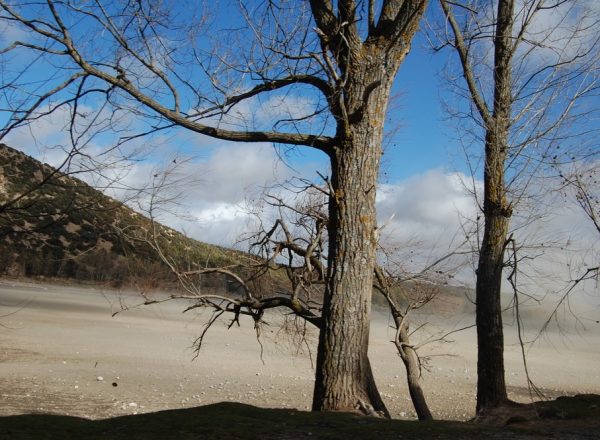
Morocco’s Habitats
Coasts and Wetlands
Lagoons and estuaries such as Oualidia, Merja Zerga and Souss-Massa attract flamingos, spoonbills, waders and migrating birds.
Cedar and Oak Forests
The forests of the Middle Atlas around Ifrane and Azrou are home to Barbary macaques and a rich birdlife.
The High Atlas
Mountain valleys and peaks, including Toubkal National Park, shelter birds of prey, Barbary sheep and hardy mountain plants.
Argan Woodlands
Around Essaouira and the Souss valley, argan forests are a UNESCO biosphere reserve where goats famously climb the trees to reach the fruit.
Oases and Valleys
The palm groves of the Draa, Dades and Todra valleys provide shade, water and food for many birds.
The Sahara
In the dunes and stony plains live fennec foxes, jerboas, lizards and desert birds, as well as the dromedary camels used for treks.
Animals and Birds to Look For
These are the species that visitors most often see, or hope to see, in Morocco.
Barbary Macaque
Morocco’s best-known wild animal, and the only wild monkey in Africa north of the Sahara. Look for it in the cedar forests near Azrou and Ifrane, in the Rif Mountains and around the Ouzoud Waterfalls. It is endangered, so never feed it. See our 4-day tour from Fes to Marrakech.
Northern Bald Ibis
One of the rarest birds in the world. Morocco has the largest wild colonies, mainly in Souss-Massa National Park and near Tamri on the Atlantic coast, and conservation work has helped the population recover.
Flamingos and Waterbirds
Greater flamingos, spoonbills, herons and waders gather on coastal lagoons such as Oualidia and Merja Zerga and in Souss-Massa. The seasonal lake near Merzouga also attracts flamingos when it holds water.
Fennec Fox and Desert Life
The tiny fennec fox, with its huge ears, jerboas and lizards are most active at dusk and at night, so a night in a desert camp gives you the best chance to see them. See our 3-day Marrakech to Sahara tour.
Barbary Sheep and Mountain Wildlife
In the High Atlas, look for Barbary sheep, golden jackals and foxes, and for eagles and other birds of prey riding the thermals above the valleys. A local guide greatly improves your chances.
Migrating Birds and Raptors
Every spring and autumn, storks, eagles, kites and other soaring birds cross the Strait of Gibraltar between Europe and Africa, making northern Morocco a highlight for birdwatchers.
Wildlife Quick Guide: What to See and Where
Use this table to plan where and when to look for Morocco’s best-known animals and birds.
| Animal or bird | Where to look | Best time |
|---|---|---|
| Barbary macaque | Cedar forests near Azrou and Ifrane, the Rif Mountains and the Ouzoud Waterfalls | All year |
| Northern bald ibis | Souss-Massa National Park and near Tamri on the Atlantic coast | All year, spring is often best |
| Flamingos and waterbirds | Oualidia, Merja Zerga, Souss-Massa and the Merzouga lake when it holds water | Autumn to spring |
| Fennec fox and desert life | The dunes of Erg Chebbi near Merzouga, at dusk and at night | All year, spring and autumn are most comfortable |
| Barbary sheep and birds of prey | The High Atlas, including Toubkal National Park | Spring to autumn |
| Migrating storks and raptors | Northern Morocco and the Strait of Gibraltar | Spring and autumn |
Wildlife is wild, so sightings are never guaranteed. A local guide greatly improves your chances.
Camel Treks and Desert Life
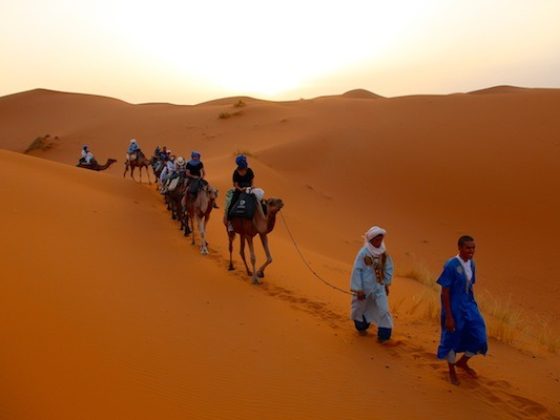
The dromedary camel is the animal most visitors remember from Morocco. Camel treks into the dunes of Erg Chebbi near Merzouga are led by local guides, and they are the traditional way to reach a desert camp at sunset. The Sahara is quiet and seems empty, but it is full of life if you know where to look: tracks of foxes and jerboas in the sand at dawn, lizards basking on the rocks, and birds around the oases.
See our Morocco desert tour from Marrakech and our Special Sahara desert tour, or read about desert camps.
Best National Parks and Nature Spots
Morocco has several national parks and reserves that protect its most important habitats.
Souss-Massa National Park
Near Agadir, this coastal park is one of the best places for birdwatching, with the northern bald ibis, flamingos and other waterbirds, and reserves that have reintroduced desert antelope such as the scimitar-horned oryx.
Toubkal National Park
In the High Atlas near Imlil, with Toubkal, the highest peak in North Africa. Ideal for walking and mountain scenery. See our Imlil and Toubkal day trip.
Ifrane National Park and Azrou
The Middle Atlas cedar forests are the best place to see Barbary macaques in the wild. Stop here on the way between Fes and the Sahara.
Ouzoud Waterfalls
The tallest waterfalls in Morocco, surrounded by olive groves where macaques are often seen. Visit on our Ouzoud Waterfalls day trip.
Talassemtane National Park
In the Rif Mountains near Chefchaouen, with rare Moroccan fir forests, hiking trails and macaques. A good add-on to a visit to the blue city.
Merzouga and Erg Chebbi
The dunes and the seasonal lake near Merzouga offer desert scenery, camel treks and, in wet years, flamingos and other migratory birds.
Conservation in Morocco
Habitat loss, overgrazing by livestock, drought, hunting and pollution have reduced wildlife in Morocco over many years. Wetlands have been drained for farming, forests have been cleared for pasture and fuel, and several large mammals have disappeared.
National parks, forest and biological reserves and reintroduction programmes are now helping some species to recover, and they are also the best places to see wildlife. Visiting them with a local guide supports this work and gives local communities a reason to protect nature.
Species Under Threat
- Barbary macaque: endangered because of habitat loss and illegal capture.
- Barbary leopard: extremely rare, with very few individuals left in the mountains.
- Northern bald ibis: endangered but recovering thanks to protection at its breeding sites. It was moved down from critically endangered in 2018.
- Scimitar-horned oryx: declared extinct in the wild in 2000. Reintroduction programmes, including in Morocco, helped the IUCN reclassify it as endangered in 2023.
- Barbary lion: extinct in the wild since the 20th century.
Best Time for Wildlife
- Spring (March to May): migration, nesting birds and wild flowers.
- Autumn (September to November): migration and comfortable temperatures.
- Winter (November to February): flamingos and waterbirds on the lagoons, and snow on the High Atlas.
- Summer: very hot inland, so watch wildlife early in the morning or at dusk.
Macaques can be seen all year round.
Watching Wildlife Responsibly
- Never feed macaques. Human food harms them, and they may bite.
- Keep your distance and do not touch or chase animals.
- Avoid attractions that use animals for photos, such as monkeys or snakes on leashes.
- Do not buy souvenirs made from wild animals.
- Stay on paths, take your litter with you and follow your guide’s advice.
What to Bring
- Binoculars and a camera with a zoom lens
- Neutral-coloured clothing and comfortable walking shoes
- Water, a hat and sun protection
- Warm layers for early mornings and desert nights
- A local guide, who greatly improves your chances
See Morocco’s Wildlife on a Private Tour
You do not need a safari to enjoy nature in Morocco. These private tours pass through cedar forests, waterfalls, mountains and desert, with time to look for wildlife along the way.
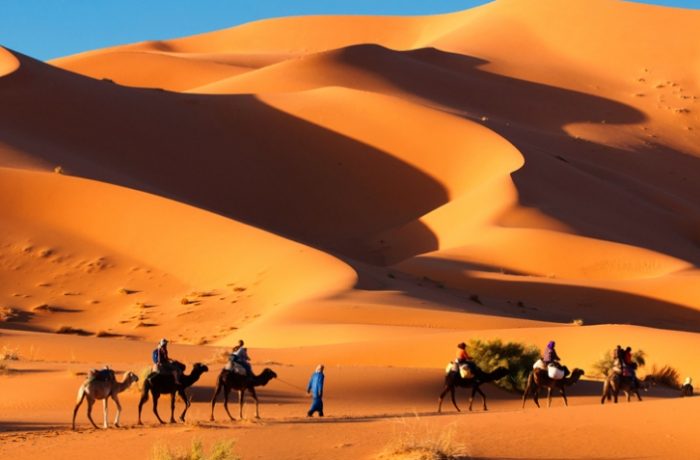
Pass through Ifrane and the Azrou cedar forest, home of the Barbary macaque, then continue to the Sahara for a camel trek.
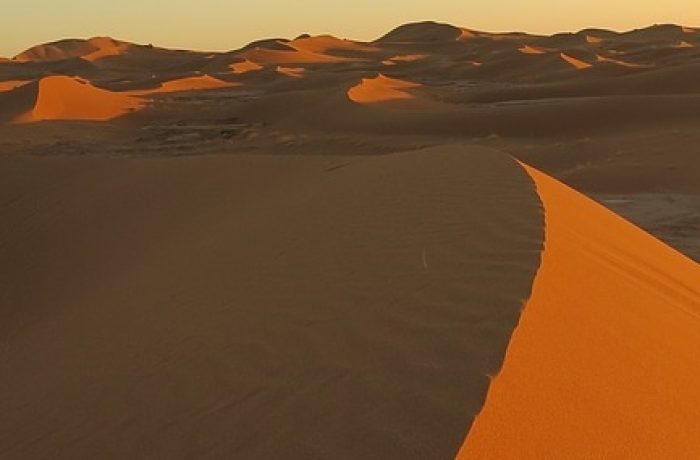
Take a camel ride into the desert and spend a night in a camp, the best chance to notice desert life at dusk and dawn.
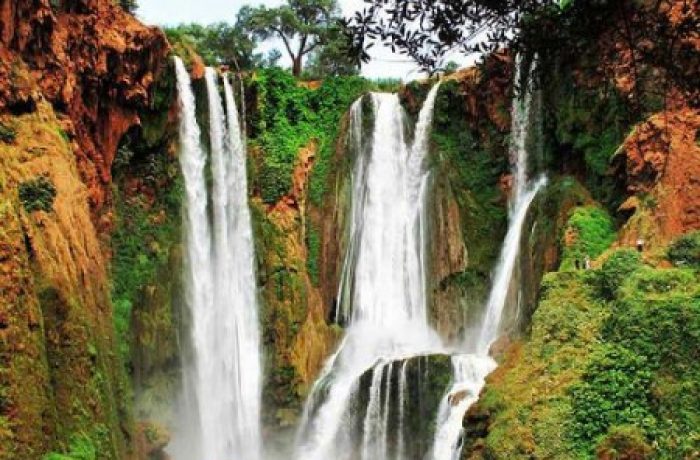
Visit the Ouzoud Waterfalls, where macaques are often seen, then cross the High Atlas to the desert.
Frequently Asked Questions
What wild animals live in Morocco?
Morocco is home to Barbary macaques, golden jackals, foxes, Barbary sheep, fennec foxes, jerboas, reptiles and hundreds of bird species. Big game such as lions and elephants does not live in the wild in Morocco.
Are there lions or elephants in Morocco?
No. The Barbary lion is extinct in the wild, and there are no wild elephants in Morocco today. Morocco is a destination for birds, primates and desert life rather than big-game safaris.
Where can I see monkeys in Morocco?
Barbary macaques live in the cedar forests of the Middle Atlas near Azrou and Ifrane, in the Rif Mountains and around the Ouzoud Waterfalls. Please do not feed them.
Is Morocco good for birdwatching?
Yes. More than 400 bird species have been recorded, and the coasts, lagoons, mountains and desert all offer good birdwatching, especially during spring and autumn migration. The northern bald ibis and flamingos are highlights.
Are there dangerous animals in Morocco?
The risk is low. In the desert, shake out your shoes and check before sitting on the ground, as scorpions and snakes can be present, and never feed or touch monkeys, which may bite.
Can I ride camels in Morocco?
Yes. Camel treks in the dunes of Merzouga are one of the highlights of a Sahara tour. See our 3-day Marrakech to Sahara tour or our tours in Morocco.
Can I go on a safari in Morocco?
Morocco is not a big-game safari destination. Instead you can enjoy wildlife experiences such as meeting Barbary macaques in the cedar forests, birdwatching on the coast and in the mountains, and spotting desert life on a camel trek or a night in a desert camp.
When is the best time to see flamingos in Morocco?
Flamingos and other waterbirds gather on coastal lagoons such as Oualidia, Merja Zerga and Souss-Massa mainly from autumn to spring. The seasonal lake near Merzouga attracts them only when it holds water.
Where can I see the fennec fox?
The fennec fox lives in the Sahara and is most active at dusk and at night. A night in a desert camp among the dunes of Merzouga, and a walk at dawn to look for tracks, give you the best chance, but sightings are never guaranteed.
Can I see dolphins or whales in Morocco?
Dolphins are often seen off the Atlantic coast, and boat trips run from places such as Agadir and Dakhla. Conditions and sightings vary, so ask locally before you book.
What should I bring for wildlife watching?
Bring binoculars, a camera with a zoom lens, neutral-coloured clothing, comfortable walking shoes, water and sun protection. Add warm layers for early mornings and desert nights, and go with a local guide if you can.
Which tours are best for seeing wildlife?
For macaques, choose our 4-day tour from Fes to Marrakech, which passes through the Azrou cedar forest. For desert life, choose a Sahara tour with a night in a desert camp, such as our 3-day Marrakech to Sahara tour. You can also contact us to build a private itinerary around wildlife and birdwatching.
See Morocco’s Nature for Yourself
Tell us what you would like to see, from cedar forests and mountains to the Sahara, and we will design a private tour around it.
Email: travelstomorocco@gmail.com | Phone: +212 6 62 38 50 95