

Fossil Sites in Morocco: Trilobites, Dinosaurs & Ancient Humans
A guide to the Anti-Atlas, the Kem Kem Beds, Erfoud and Jebel Irhoud
- Home
- Fossils in Morocco
Fossil Sites in Morocco: Trilobites, Dinosaurs and Ancient Humans
Morocco holds one of the richest fossil records on Earth, spanning more than 500 million years.
From half-billion-year-old trilobites in the Anti-Atlas to dinosaur bones in the Sahara and some of the oldest known human fossils, this is a country where palaeontology is part of the landscape itself.
Here is a guide to the main fossil sites in Morocco, what has been found there, and how to see them for yourself. Looking for a full itinerary? See our 12-day fossils and minerals tour.
Quick Answer
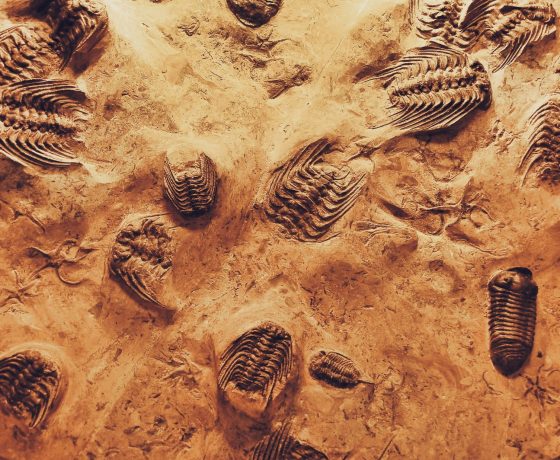
- Trilobites: the Anti-Atlas, especially around Alnif, for some of the best-preserved specimens in the world.
- Dinosaurs: the Kem Kem Beds near Erfoud and Taouz, home to Spinosaurus and other Cretaceous predators.
- Ancient humans: Jebel Irhoud, site of the oldest known Homo sapiens fossils.
- Fossil markets: Erfoud, the unofficial fossil capital of Morocco.
Where to Find Fossils in Morocco
Trilobites of the Anti-Atlas
The Anti-Atlas Mountains, particularly around Alnif and the wider Anti-Atlas range, are famous for trilobite fossils, ancient marine arthropods dating back to the Paleozoic era. Morocco is considered one of the best places in the world to find well-preserved, often museum-quality specimens.
Dinosaurs of the Kem Kem Beds
The Kem Kem Beds near Erfoud and Taouz preserve Cretaceous-era river and swamp ecosystems dating back roughly 100 million years. This is where researchers, including National Geographic Explorer Nizar Ibrahim, uncovered fossils of Spinosaurus, a massive semi-aquatic predator now considered the first known swimming dinosaur. Read more from National Geographic’s coverage of the Kem Kem discoveries. The beds also yield marine fossils, including large fish and crocodilians.
Erfoud and Jebel Irhoud
Erfoud: Morocco’s Fossil Capital
The area around Erfoud and nearby Jbel Issoumour is one of the most fossil-rich regions in the country, producing everything from marine invertebrates to vertebrate remains. Erfoud has grown into the unofficial fossil capital of Morocco, with workshops that polish ammonites and trilobites into tables, sinks and decorative slabs.
Jebel Irhoud: The Oldest Known Humans
Morocco is also central to the story of human origins. At Jebel Irhoud, researchers uncovered fossils now dated to roughly 300,000 years old, the oldest known remains of Homo sapiens anywhere in the world, pushing back the accepted origin of our species by about 100,000 years. The findings were published in Nature in 2017 by a team led by the Max Planck Institute for Evolutionary Anthropology; read the full research summary from the Max Planck Society.
Buying Fossils Responsibly
Fossils are big business in Morocco, and local markets, especially around Erfoud, sell everything from small trilobites to large polished ammonite slabs. It is a popular souvenir, but buy thoughtfully: ask sellers about the origin of a piece, and be aware that some scientifically important specimens should remain in Morocco for research rather than leaving the country. Reputable shops and workshops are generally a safer bet than roadside sellers for both quality and ethics.
See the Fossils for Yourself
Our full 12-day fossil and mineral tour is built specifically around these sites, from the Anti-Atlas trilobite beds to the fossil workshops of Erfoud and the Sahara dunes beyond. Prefer a shorter trip? These routes pass through the same region.
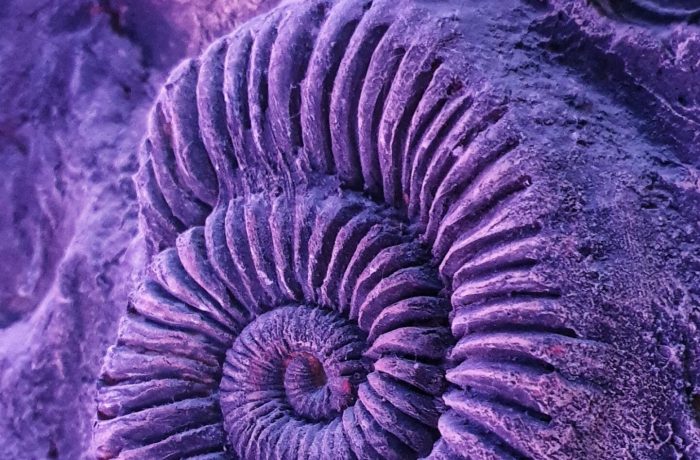
Trilobites, minerals and the Sahara, a full itinerary built around Morocco’s fossil sites.

Pass through the fossil country of the south on the way to the Merzouga dunes.
Shorter ways to explore the south of Morocco if you do not have 12 days to spare.
Frequently Asked Questions
Where can I find trilobite fossils in Morocco?
The Anti-Atlas Mountains, particularly around Alnif, are the best-known source of well-preserved trilobite fossils in Morocco.
What dinosaurs have been found in Morocco?
The Kem Kem Beds near Erfoud and Taouz have produced fossils of Spinosaurus, one of the largest known predatory dinosaurs, along with other theropods and marine reptiles. See National Geographic’s reporting for more.
What is significant about Jebel Irhoud?
Jebel Irhoud is the site of the oldest known Homo sapiens fossils in the world, dated to roughly 300,000 years old and described in the journal Nature in 2017.
Is it legal to buy fossils in Morocco?
Small, commercially sold fossils such as trilobites and ammonites are widely and legally sold in markets and workshops, especially in Erfoud. Buy from reputable sellers and ask about the origin of larger or unusual pieces.
Can I visit these fossil sites on a tour?
Yes. Our 12-day fossil and minerals tour is built around this region, or contact us to add fossil sites to another itinerary.
Ready to Explore Morocco’s Fossil Country?
Tell us your dates and interests, and we will help plan a trip through the Anti-Atlas, the Kem Kem Beds and Erfoud.
Email: travelstomorocco@gmail.com | Phone: +212 6 62 38 50 95
Ask for Prices
Please fill in the form below or contact us directly by email at travelstomorocco@gmail.com, and we will answer you as soon as possible.